


Material reference
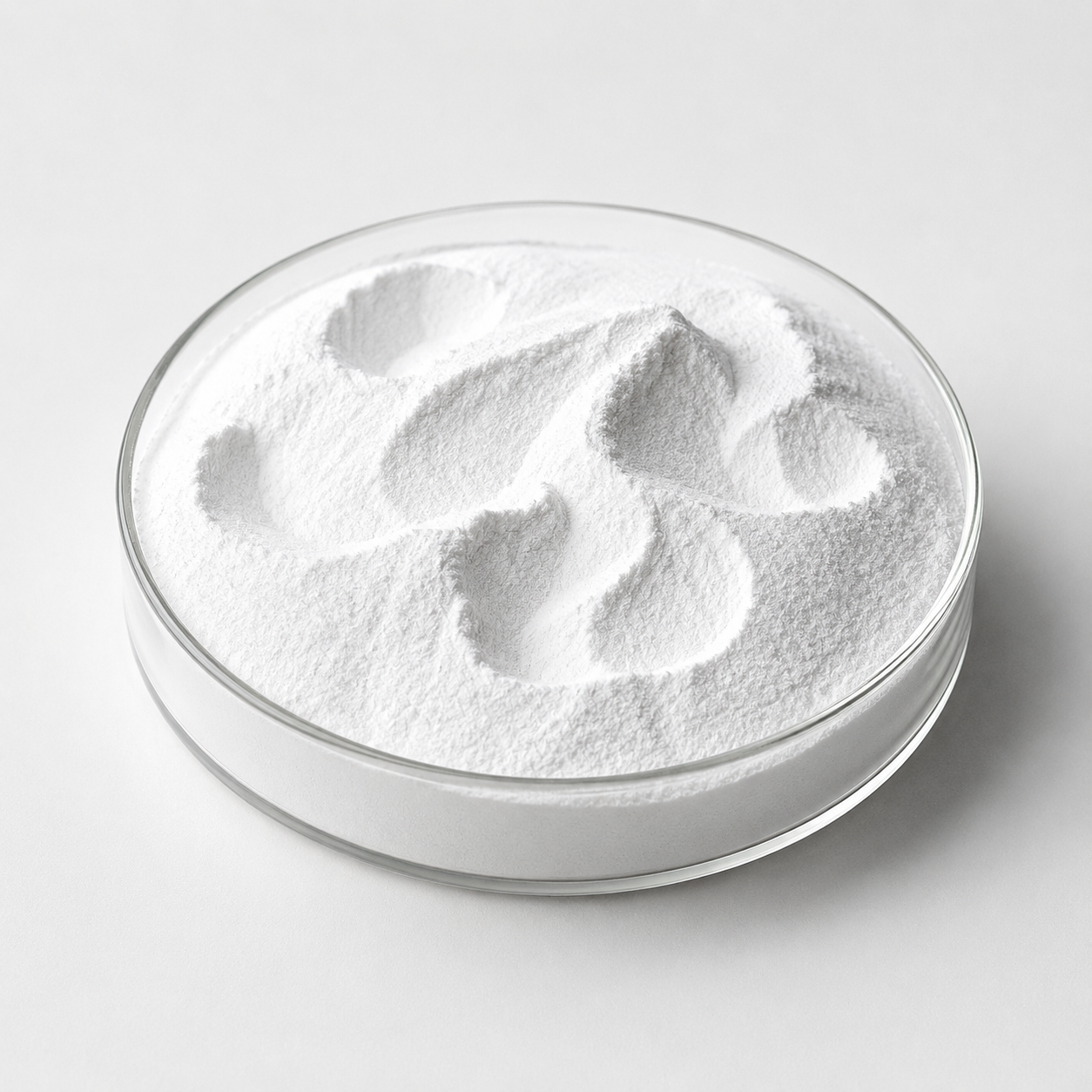
Boron Nitride BN
Self-lubricating, easily machined, non-wetting to molten metals. Hexagonal BN combines excellent electrical insulation with high thermal conductivity — "white graphite".
Se usa para: molten-metal break rings · plasma arc components · semiconductor fixtures · thermal management · machinable insulators
By product
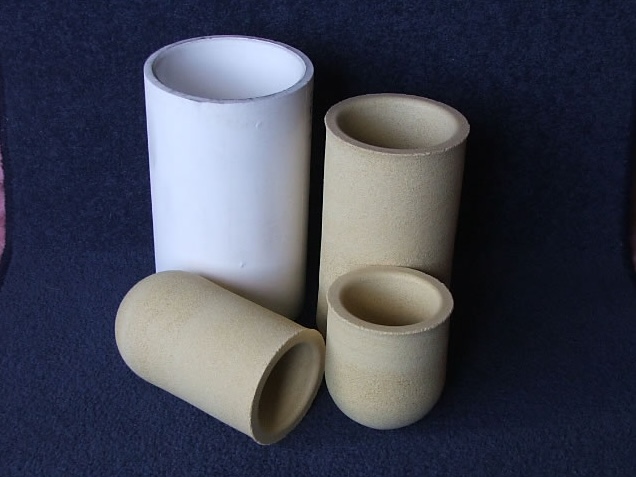
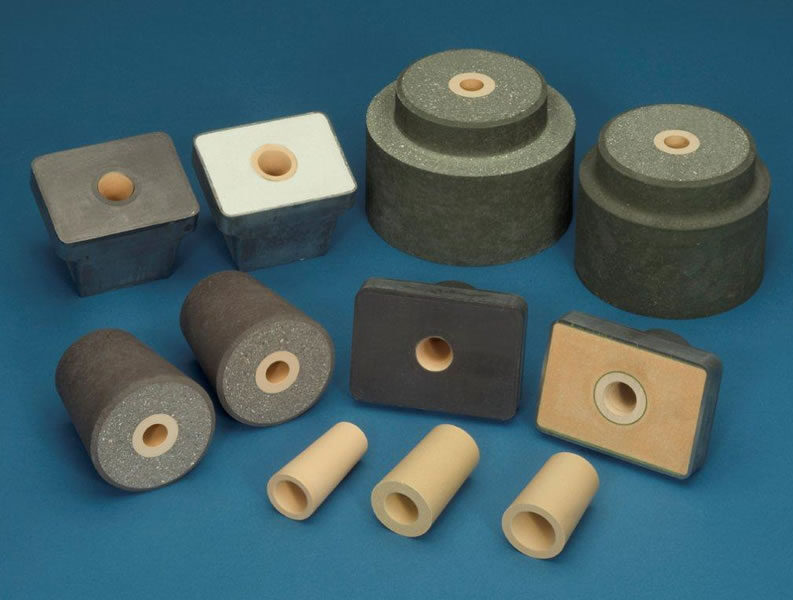
Boron Nitride by product form
At a glance
Six critical properties
Very low thermal expansion
High electrical insulation
Very high temperature stability in certain environments
Excellent thermal shock resistance
High thermal conductivity
Wide range of composite blends available
Very high purity available >99.99%
Highly machinable to complex shapes
Products in this material
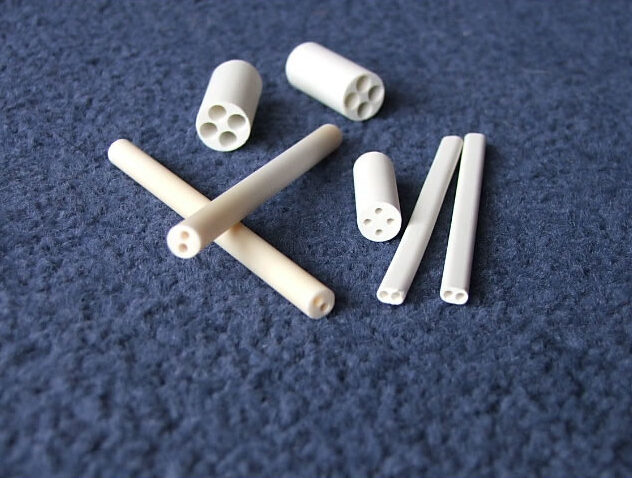
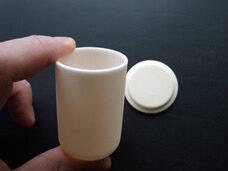
Boron Nitride products
Más detalles
Este material no se limita a los productos y aplicaciones mostrados arriba. Para más información, o para conocer otros productos/aplicaciones, haga clic aquí.
Hexagonal Boron Nitride has a microstructure similar to that of Graphite. In both materials, this structure, made up of layers of tiny platelets, is responsible for excellent machinability and low-friction properties. We refer to this as hexagonal boron nitride (HBN) or white graphite.
Boron Nitride has excellent electrical insulation and thermal conductivity which make the material very useful as a heat sink in high-power electronic applications. Its properties compare favourably with beryllium oxide, aluminium oxide, and other electronic packaging materials, and are easier to machine to defined shapes and sizes, making it a preferred material to produce custom-made parts within a thermal management application.
Boron Nitride (BN) is typically hot pressed into blocks and then machined to finished requirements. Compared with many ceramic materials BN is relatively easy to machine, making it an ideal material for low to medium volume production.
Temperature stability and excellent resistance to thermal shock make BN the ideal material in the toughest high-temperature environments such as equipment for plasma arc welding, diffusion source wafers, and semiconductor crystal-growth equipment and processing.
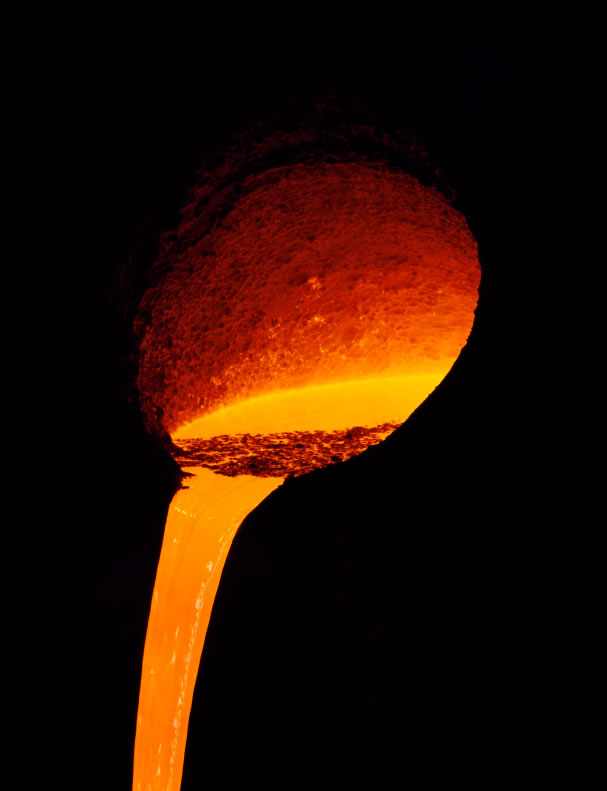
BN is inorganic, inert, non-reactive with halide salts and reagents, and is non-wetting when used in a molten-metal application. These characteristics, combined with low thermal expansion, make it ideal for interface materials used in various molten metal processes.
Solicitar la ficha técnica de Boron Nitride
Full property data, grade comparison, machining guidance and typical applications. EN and FR versions available.
At a glance
Aplicaciones de este material
Atomising nozzles
Thermal management components
Semi-con manufacturing
Heat treatment supports
Melting crucibles
Machining blanks
Transfer tubes
Electrical insulation
Ultra-high purity products
Precision components
At a glance
Grades of Boron Nitrid
99% Boron Nitride99.7% Boron NitridePyrolitic Boron NitrideBoron Nitride Composite Blends
Considering alternatives?
Compare with related materials


FAQs
Frequent technical questions
What is the difference between Hexagonal Boron Nitride (HBN) and Pyrolitic Boron Nitride (PBN)?
HBN is more common material grade that is “work horse” material, whereas PBN is much higher purity and used for more demanding applications (semi-con or advanced R&D).
How do the Boron Nitride composite blends differ from pure Boron Nitride?
Pure Boron Nitride contains >99% BN, wheres composites are blends with lower BN weight percentage mixed with other ceramic materials such as Alumina, Silica, Zirconia, or Silicon Nitride. This gives the material grades a wide range of different properties suitable for extensive range of applications. – speak to our team to find out more about the different composites and which material blend would work best for you.
Is Boron Nitride machineable?
Yes, material is highly machineable after hot pressing, meaning it can be made to very complex geometries or to very tight tolerances. We also supply BN as blanks for custom machining.
What temperature can Boron Nitride be used at?
Certain grades are capable of surviving up to a maximum of 2100°C depending on the operating atmosphere.
Ninguna FAQ coincide. Pruebe otra palabra clave o contáctenos directamente.
Contacte con nosotros
Need help choosing a grade? Talk to our materials team.
Tell us your operating temperature, the chemistry it'll see and any mechanical loads. We'll specify a grade — or recommend an alternative material — and link you directly to matching products.
- ISO 9001 certified
- Stock held in Kidderminster (UK) and Île-de-France (France)
- No minimum order value
Formulario de consulta
Díganos qué necesita
A member of the team will come back to you with a recommendation or a quote.